Minimalist: The Art of Less
Silence in architectural form. Removing the superfluous so the essential has room to breathe.
Curating the Void
Minimalism is frequently misunderstood as emptiness or lack of imagination. In truth, it is an act of intense curation. When a room contains only a few objects, each object must be spectacular in its form, function, or tactile quality.
The empty space—the void—becomes a design element itself. It provides mental respite from a hyper-connected, visually cluttered modern world.
Warmth in Simplicity
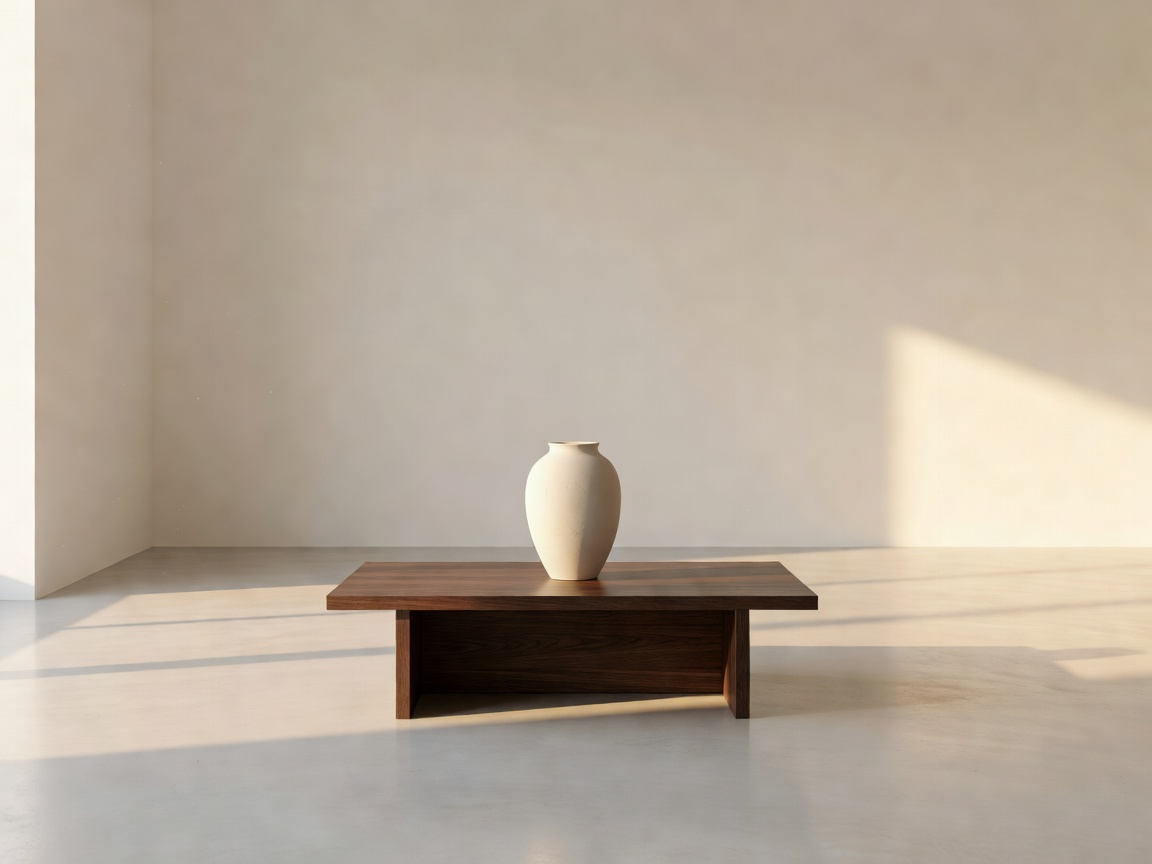
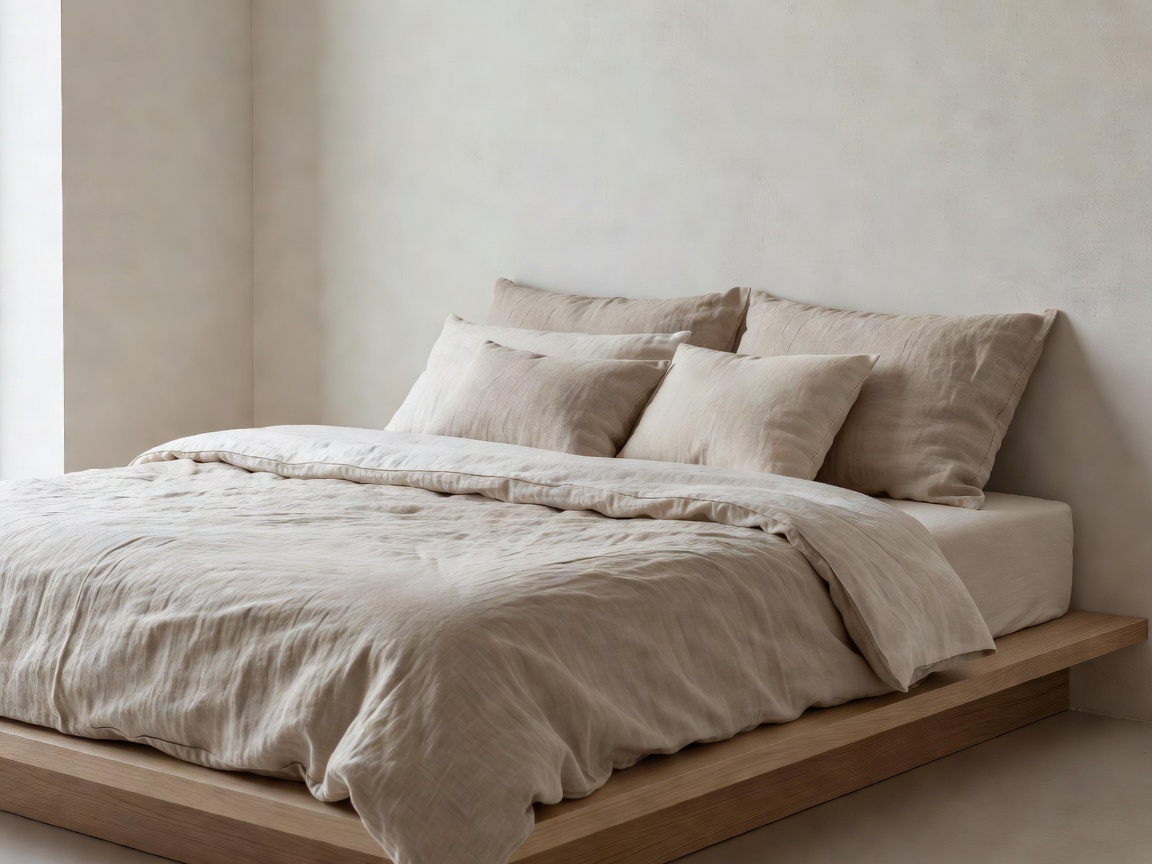
Cold minimalism belongs in galleries; Organic Minimalism belongs in homes. We achieve warmth without clutter by layering subtle, natural textures. Plaster walls, limewashed brick, and untreated linen bring sensory depth.
The color palette relies heavily on variations of cream, beige, muted olive, and stone, allowing shadows and natural daylight to paint the room throughout the day.
Key Hallmarks
Concealed Storage
To maintain visual silence, everything utilitarian is meticulously hidden behind flush, handle-less cabinetry.
Tactile Surfaces
Without bold patterns or bright colors to hold the eye, textured plaster, stone, and raw wood do the heavy lifting.
Purposeful Lighting
Diffused, indirect lighting creates soft gradients across blank walls, highlighting architectural forms gently.